

Evgeny Yudin
Author
Qualification: International Health Access Consultant
Post: Founder of Pillintrip.com
Company: Pillintrip.com – International Health and Travel
Added: June 2, 2025
Changed: June 3, 2025
Based on comprehensive analysis of real expat stories, official government sources, and healthcare data from Denmark, Sweden, and Norway, this comprehensive guide reveals the complex reality of accessing prescription medications in Scandinavian countries. The experiences of thousands of travelers and relocants, documented across social media platforms and official healthcare channels, demonstrate both the challenges and opportunities within these world-renowned healthcare systems.
Import Regulations: Country-by-Country Analysis
Denmark: Pragmatic but Regulated Approach
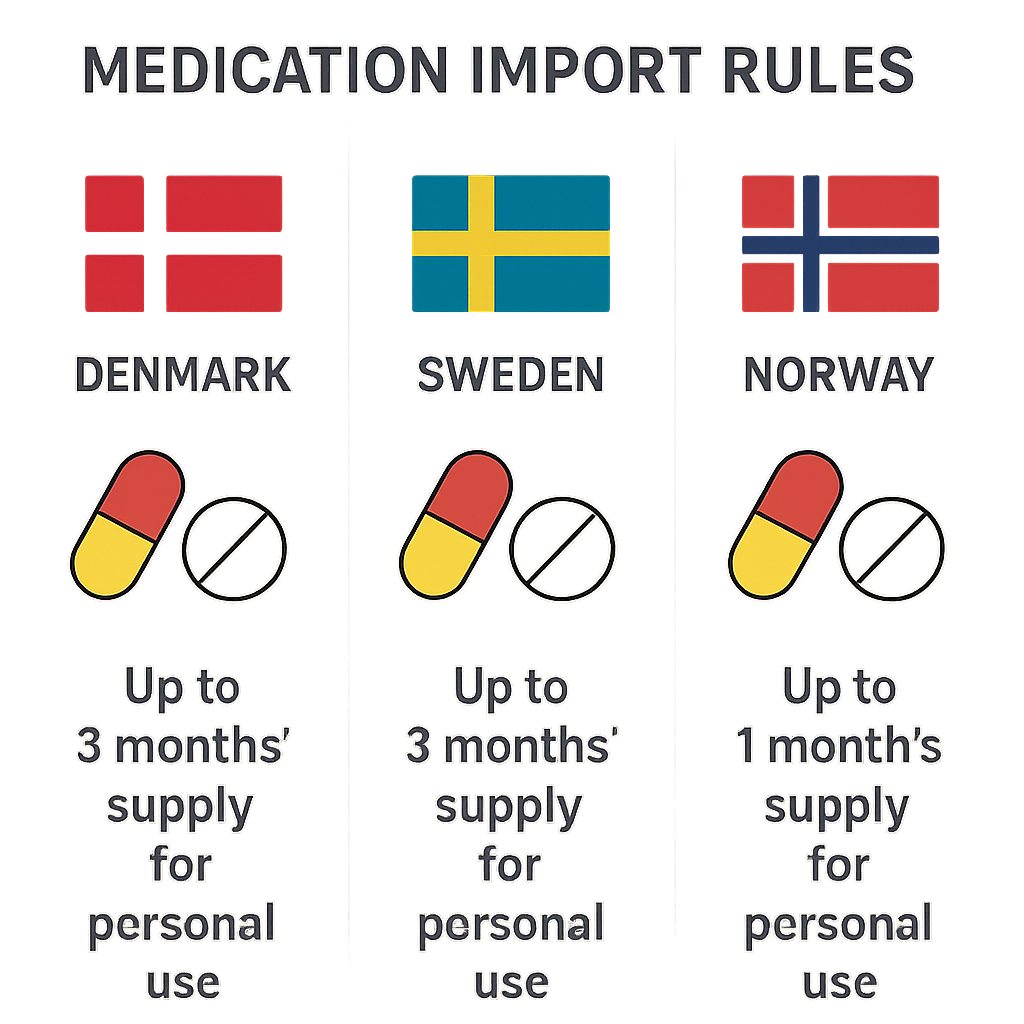
Denmark implements clear but strict medication import rules that differentiate between controlled and regular substances. For controlled substances including narcotics, stimulants, and testosterone, travelers can import a maximum 30-day supply, while regular medications allow up to 90 days. The Danish Medicines Agency requires a Danish Medication Import Certificate for quantities exceeding these limits, with applications requiring at least two months processing time.
Sweden: Strictest Regulations in the Region
Sweden maintains the most restrictive medication import policies among Scandinavian countries, allowing only 5 days of controlled substances compared to 30 days in neighboring countries. Regular medications follow the standard 90-day limit, but Sweden's unique challenge lies in prescription transferability. The Swedish Medical Products Agency confirms that 99% of prescriptions are electronic, creating complications for visitors with foreign prescriptions.
Real expat experiences on Reddit reveal the practical challenges: "You will not be able to fill an American prescription in Sweden," warns the Swedish Program official guidance. However, success stories emerge from those who proactively contacted vårdcentral (health centers) for prescription transfers. One Polish expat shared: "Just call the VC and explain that you have moved here and are on ongoing treatment. They should give you an appointment in days and a prescription as soon as you've seen the doctor".
Norway: Graduated System Based on Origin
Norway implements a sophisticated approach that varies requirements based on traveler origin. EU/EEA residents can import medications for up to one year of personal use, while non-EU travelers face a three-month limit. Controlled substances maintain consistent 30-day limits regardless of origin, requiring prescription documentation and medical certificates.
The Norwegian system demonstrates 85% patient satisfaction through its fastlege (personal doctor) assignment system. Documentation requirements include prescriptions, medical certificates, and proof of legal purchase, with customs officials authorized to verify compliance at border crossings.
Healthcare System Navigation for Medication Access
Sweden's Digital-First Approach
Sweden's healthcare system operates on advanced digital infrastructure with 99% electronic prescriptions, creating both opportunities and challenges for international visitors. The vårdcentral system serves as the primary entry point for prescription medications, with many SSRI antidepressants available through general practitioners rather than specialists. Reddit users report successful prescription transfers within days: "The regular way to get a normal SSRI in Sweden prescribed is through a Vårdcentral. It's rare to be treated by a psychiatrist unless you have very severe problems".
Apoteket AB maintains the largest pharmacy network with 27.8% market share, followed closely by Apotek Hjärtat at 27.5%. Experienced expats recommend Apoteket (identifiable by the green snake logo) for international prescription expertise. The maximum annual cost for prescription medications in Sweden caps at 2,200 SEK (approximately €190), making treatment affordable for residents.
Denmark's Family Doctor System
Denmark's healthcare structure emphasizes family doctor relationships, with 84% patient satisfaction reflecting system effectiveness. The decentralized regional model operates through five regional councils providing both public and private healthcare options. EU residents access services equivalent to their home countries through the European Health Insurance Card system.
Norway's Personalized Healthcare Model
Norway's fastlege system assigns each resident a dedicated family physician, contributing to 85% patient satisfaction rates. The system effectively manages chronic conditions through personalized care relationships, particularly beneficial for ongoing medication management. Regional Health Authorities coordinate services under Ministry of Health oversight, ensuring consistent quality across geographic regions.
Chronic Conditions: Specialized Medication Challenges
ADHD Medication: Navigating Controlled Substance Regulations
Adult ADHD medication use doubled across Nordic countries over five years, with 53% of men and 64% of women using concurrent psychotropic medications. This trend creates particular challenges for travelers, as ADHD medications typically fall under controlled substance regulations requiring special documentation.
The State Department warns of serious consequences for unprepared travelers: "A US citizen was arrested while visiting Japan after her stimulant medication was shipped to her there... She was released after 18 days and heavy US legislative- and diplomatic-level lobbying". European countries often restrict or ban ADHD medications commonly prescribed in the United States, making advance preparation crucial.
Diabetes Management in Scandinavian Climate
Diabetes travelers face unique challenges in Scandinavian environments, where climate variations affect medication storage and blood glucose management. Norwegian healthcare provides world-class diabetes support, with medical professionals generally familiar with condition management and English-speaking capabilities. Research indicates diabetes travelers frequently encounter unsuitable dietary options during flights and may experience disrupted medication schedules.
Preparation remains critical for successful diabetes management abroad, requiring insulin cooling systems, comprehensive blood glucose monitoring supplies, and emergency glucagon availability. Time zone adjustments particularly challenge insulin-dependent travelers, requiring consultation with healthcare providers for dosage modifications.
Mental Health Medications: Regional Prescription Patterns
Scandinavian countries demonstrate high antidepressant usage rates, with Sweden leading at 78-107 users per 1000 residents, Norway at 61-69 per 1000, and Denmark showing 75% reduction in anxiolytic use. This environment creates favorable conditions for mental health treatment but complicates medication transitions for international visitors.
Prenatal medication exposure studies across Denmark, Norway, and Sweden reveal sophisticated monitoring systems tracking 4.5 million children, demonstrating advanced healthcare data integration. These comprehensive databases enable evidence-based medication decisions but highlight the importance of proper documentation for visitors seeking treatment continuity.
Pharmacy Networks and Practical Access Points
Sweden's Competitive Pharmacy Market
Sweden's pharmacy deregulation in 2009 ended Apoteket AB's monopoly, creating a competitive market with multiple chains serving different needs. Apoteket AB retains the largest market share at 27.8%, with Apotek Hjärtat close behind at 27.5% and Kronans Apotek holding 21.6%. The former state monopoly maintains advantages in international prescription experience and comprehensive medication access.
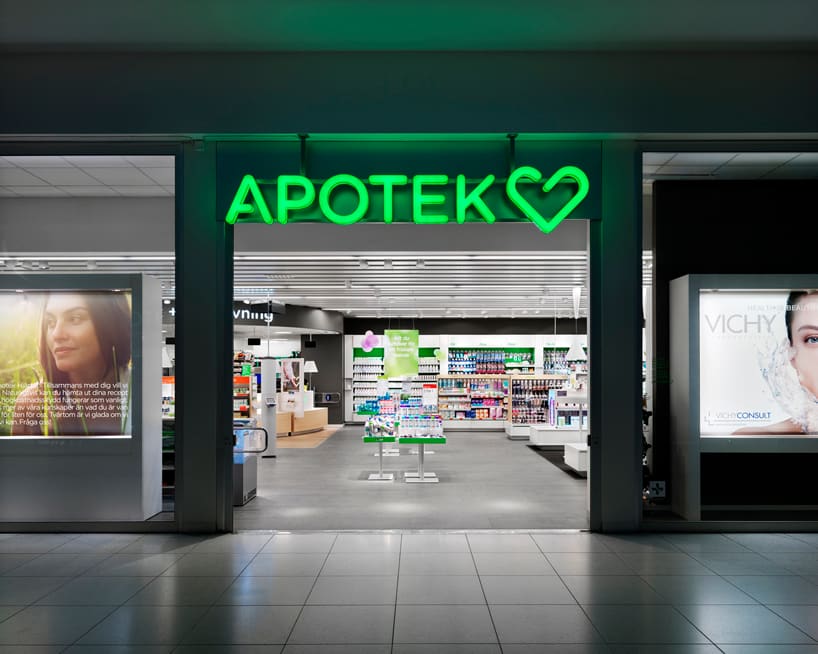
Prescription pharmaceutical sales constitute approximately 73% of total pharmacy revenue, emphasizing the importance of prescription access for travelers. Apoteket's extensive network includes 370 stores in 250 locations, providing 33 million customer interactions annually. The green snake logo remains the most recognizable pharmacy identifier for international visitors seeking reliable service.
Technology Integration in Medication Management
Nordic countries lead digital health innovation with $10.6 billion invested in healthtech during 2022. Shared Medication Lists (SMLs) across Denmark, Finland, Norway, and Sweden enable healthcare providers to access current patient medication information, reducing medical errors and improving care coordination. Denmark and Norway base their systems on medication orders, while Finland and Sweden utilize prescription-based approaches.
Insurance and Financial Considerations for International Visitors
EU/EEA Resident Advantages
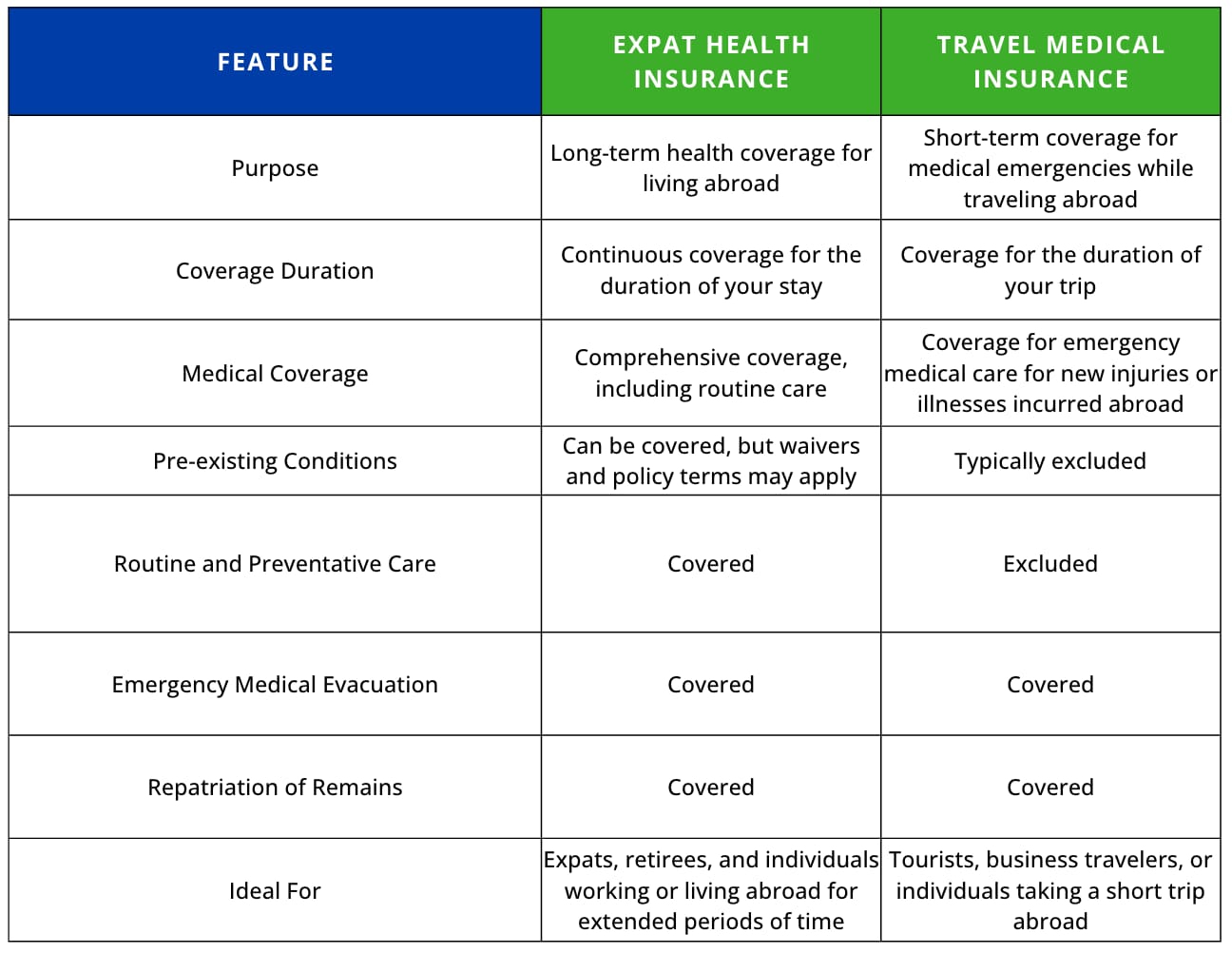
European Union and European Economic Area residents benefit from reciprocal healthcare agreements across Scandinavian countries. The Global Health Insurance Card (GHIC) or European Health Insurance Card (EHIC) provides basic coverage but doesn't eliminate all expenses or replace comprehensive travel insurance. Sweden's system prioritizes emergency cases, creating extended waiting periods for non-urgent treatment even for EU residents.
Expat Insurance Requirements
Long-term residents and expats require private international medical insurance to supplement public healthcare access. Leading providers including Allianz, AXA Bupa Global, and Cigna offer expat-specific coverage addressing gaps in public systems. These policies typically provide immediate access to private healthcare facilities, reducing waiting times for specialist consultations and elective procedures.
Travel Strategies: Short-term vs. Long-term Approaches
Short-term Travelers (Under 90 Days)
Brief visitors should prioritize bringing complete medication supplies rather than attempting local prescription access. Research indicates 64% of American travelers experience health issues during trips, with 3-4% increased risk per additional travel day. The Swedish Program explicitly advises students: "bring a large enough supply to last the entire semester".
Long-term Relocants and Digital Nomads
Extended stays require integrated strategies combining initial medication imports with local healthcare system navigation. Successful relocants typically follow a phased approach: importing initial supplies while simultaneously establishing local healthcare relationships. Reddit experiences demonstrate that proactive vårdcentral contact enables prescription transfers within days rather than weeks.
Digital Health Solutions and Telemedicine Options
Nordic Innovation in Healthcare Technology
Scandinavian countries lead global digital health innovation, driven by aging populations and increasing chronic disease prevalence. Artificial intelligence applications include cancer detection, drug discovery, and personalized medicine, while virtual reality supports surgery training and rehabilitation. Wearable devices collect comprehensive health metrics enabling proactive patient monitoring and early problem identification.
Telemedicine for International Patients
Services like Runway Health provide online consultations specifically for travelers to Sweden, offering rapid medical assessments and FDA-approved medication delivery. These platforms bridge gaps between international healthcare systems, enabling continuity of care for temporary visitors. The European Health Data Space (EHDS) implementation promises further integration of healthcare information across borders.
Practical Action Frameworks and Emergency Protocols
Pre-departure Preparation Timeline
Successful medication access requires systematic preparation beginning 3+ months before travel. Critical steps include embassy contact, Schengen certificate applications, extended prescription arrangements, and legal verification of medication status in destination countries. Documentation requirements encompass original prescriptions, medical certificates, pharmacy receipts, and proof of legal purchase.
Emergency Response Procedures
All Scandinavian countries utilize 112 as the universal emergency number, ensuring consistent access to urgent medical services. Embassy services provide crucial support for prescription emergencies, medication theft, or legal complications involving controlled substances. Travel insurance providers offer 24/7 support for medication access emergencies and healthcare navigation assistance.
Local Healthcare Integration Strategies
Successful integration requires understanding each country's healthcare entry points: vårdcentral in Sweden, family doctor referrals in Denmark, and fastlege assignments in Norway. Digital prescription systems across all three countries necessitate in-person consultations for prescription transfers, typically achievable within days through proactive healthcare provider contact.
Technological Innovation and Future Developments
Cross-Border Digital Integration
Shared Medication Lists represent the first phase of comprehensive Nordic healthcare integration, enabling real-time medication information sharing between countries. The initiative reduces medication errors while facilitating patient mobility across borders. Current implementations vary by country, with Denmark and Norway focusing on medication orders while Finland and Sweden emphasize prescription-based systems.
Artificial Intelligence in Medication Management
Nordic healthtech investments of $10.6 billion in 2022 drive innovation in AI-powered medication management, precision medicine, and blockchain-secured patient records. These technologies promise enhanced medication safety, reduced adverse reactions, and improved treatment outcomes for both residents and international visitors. Machine learning applications enable predictive medication needs and automated refill systems.
Conclusion: Navigating Medication Access Successfully
The experiences of thousands of travelers and expats reveal that successful medication access in Scandinavian countries requires careful preparation, understanding of local systems, and proactive healthcare engagement. While each country maintains distinct regulations and procedures, common themes emerge: the critical importance of advance planning, the value of local healthcare provider relationships, and the benefits of comprehensive travel insurance.
Sweden's strictest controlled substance limits demand particular attention, allowing only 5 days compared to 30 days in Denmark and Norway. However, the country's advanced digital healthcare infrastructure enables rapid prescription transfers for those who navigate the vårdcentral system effectively. Denmark's pragmatic approach balances accessibility with regulation, while Norway's graduated system accommodates different traveler categories.
The Nordic region's continued investment in digital health innovation promises further improvements in medication access for international visitors. Shared Medication Lists, AI-powered healthcare systems, and enhanced cross-border integration will likely simplify medication access while maintaining safety standards. For current travelers, success depends on thorough preparation, appropriate documentation, and proactive engagement with local healthcare systems.
Future developments in European Health Data Space implementation and continued Nordic healthcare technology leadership suggest increasingly seamless medication access for international visitors while preserving the high safety standards that characterize Scandinavian healthcare systems. The combination of world-class medical care, advanced digital infrastructure, and patient-centered approaches makes the Nordic region an exemplary model for international healthcare access.
Useful Links and Resources for Medication Access in Scandinavia
Official Regulatory Authorities
Denmark
-
Danish Medicines Agency
laegemiddelstyrelsen.dk
Medication import rules, certificate application procedures -
Healthcare Denmark
healthcaredenmark.dk
Official portal for digital healthcare innovation
Sweden
-
Swedish Medical Products Agency
lakemedelsverket.se
Regulation of controlled substances, prescription requirements -
Tullverket (Customs)
tullverket.se
Medication import rules at the border
Norway
-
Norwegian Medicines Agency
dmp.no
Import limits, procedures for controlled substances -
Helsenorge
helsenorge.no
Fastlege (personal doctor) system
Emergency Services & Medical Help
-
Emergency number: 112 (works in all Scandinavian countries)
-
Swedish Medical Advice Line 1177
1177.se | +46 771 1177 00 for international calls
Expat Insurance Solutions
-
Cigna Global Nordic Plans
cignaglobalhealth.com/nordic
Specialized coverage for Denmark, Sweden, and Norway -
AXA Global Healthcare
axaglobalhealthcare.com
Telemedicine and emergency evacuation coverage
Expat Communities & Forums
-
Reddit: r/expats
reddit.com/r/expats
Real-life cases: “How to transfer ADHD prescriptions in Sweden” -
Facebook: Americans in Denmark
Tips for obtaining the Danish Medication Import Certificate
Pharmacy Chains
Sweden
-
Apoteket AB
apoteket.se
27.8% market share, green snake logo -
Apotek Hjärtat
apotekhjartat.se
24-hour pharmacies in major cities
Norway
-
Boots Norge
boots.no
International chain with English-language support
Digital Services
-
Runway Health (Sweden)
Online consultations for travelers -
Shared Medication Lists
Nordic cross-border medication data exchange system
Legal Resources
-
Schengen Certificate Generator
ec.europa.eu
Official “medication passport” template -
EMA Clinical Guidelines
ema.europa.eu
European standards for prescribing medications